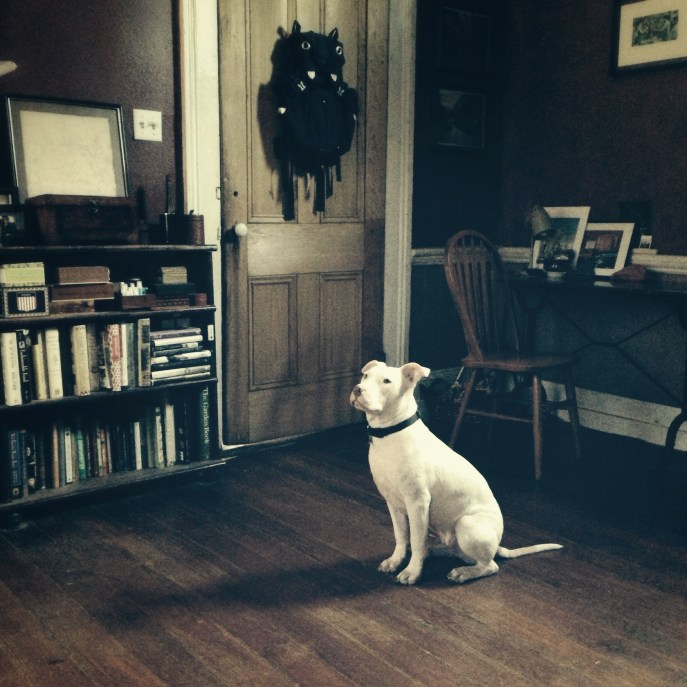
Sebastian went to his great reward.
We said goodbye to Sebastian.
Sebastian has crossed over.
We lost Sebastian.
Sebastian passed.
The euphemisms are exhausting. Turns of phrase tie our sentences into knots so that we can avoid saying the obvious:
Sebastian is dead.
And in this case:
Sebastian is dead, and I killed him.
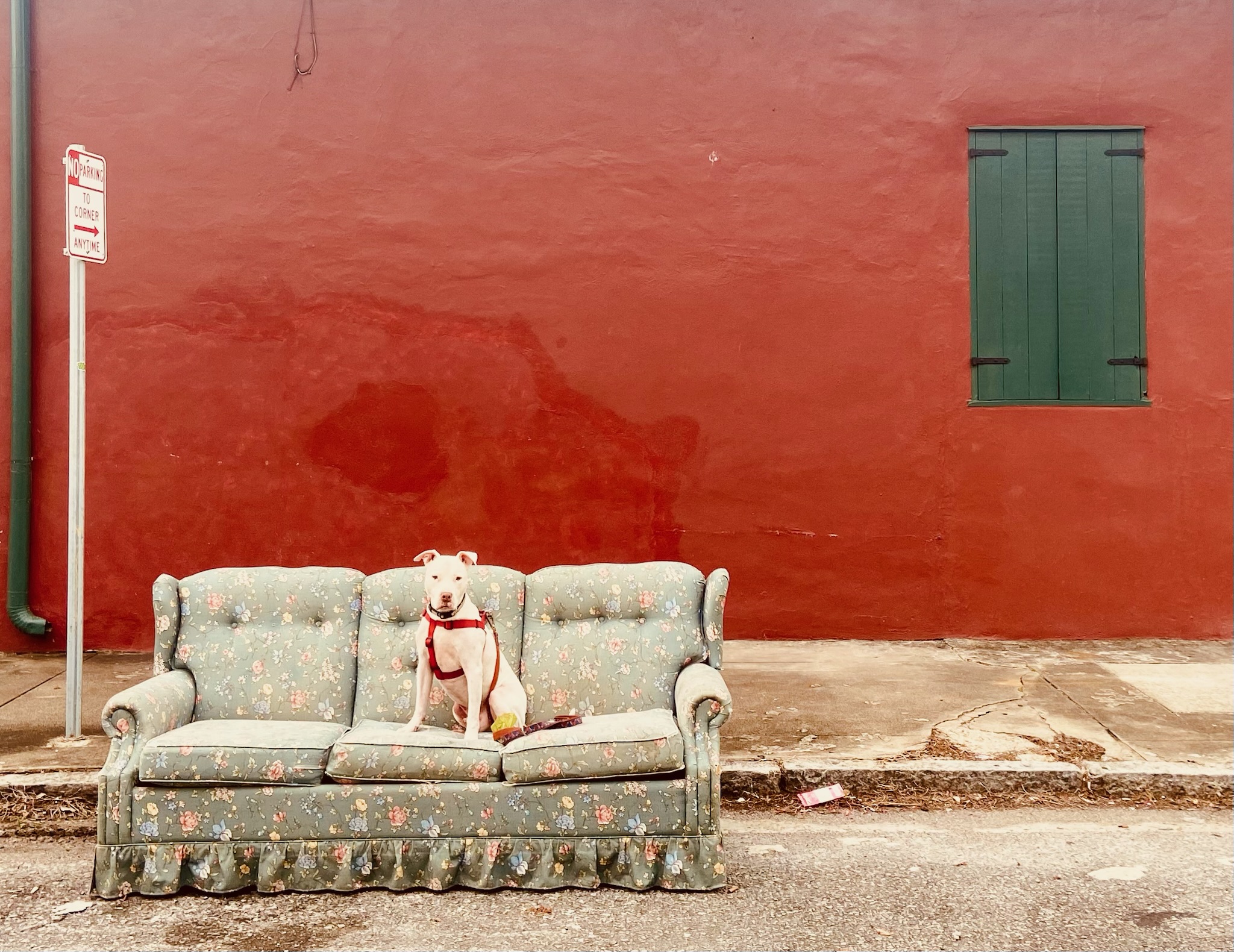
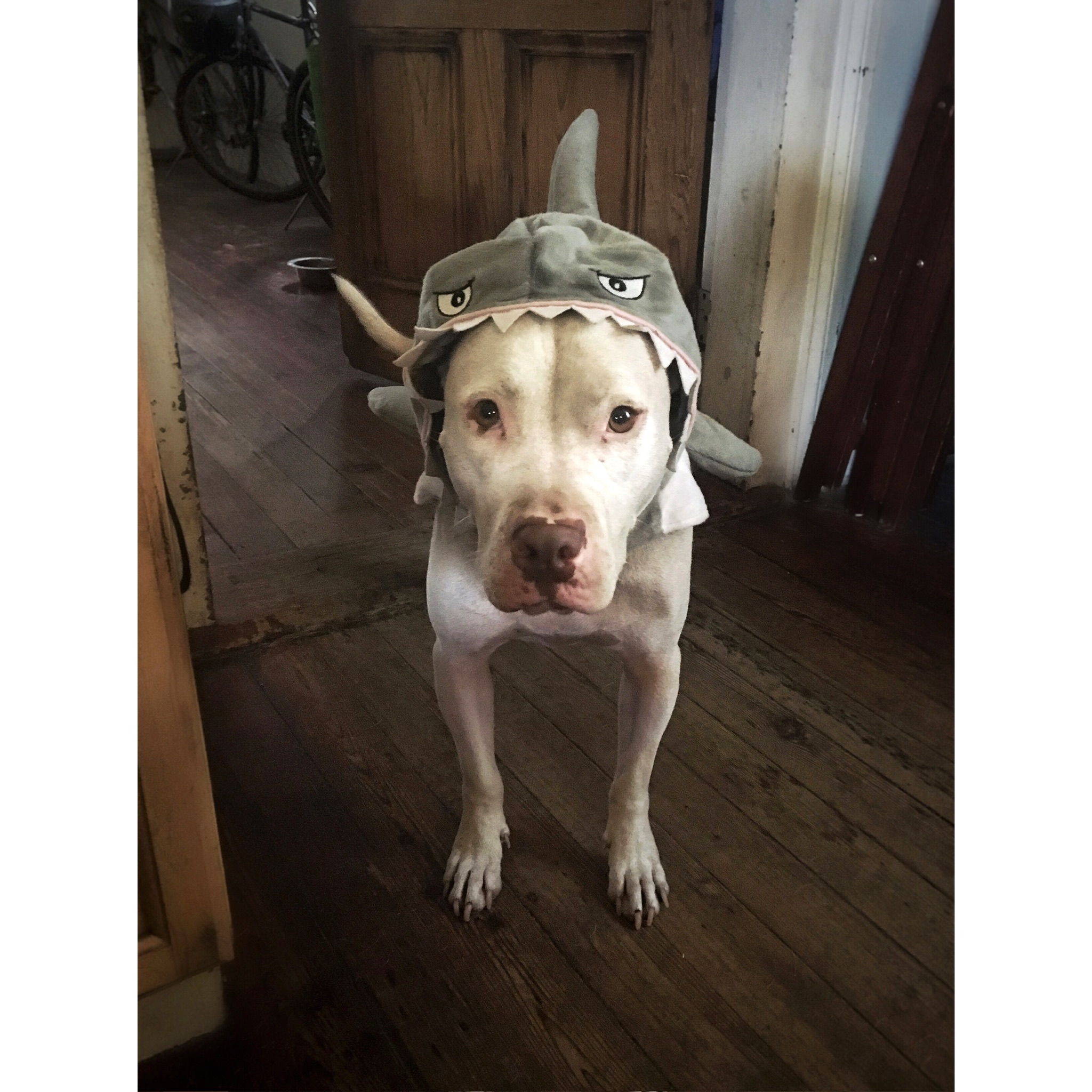
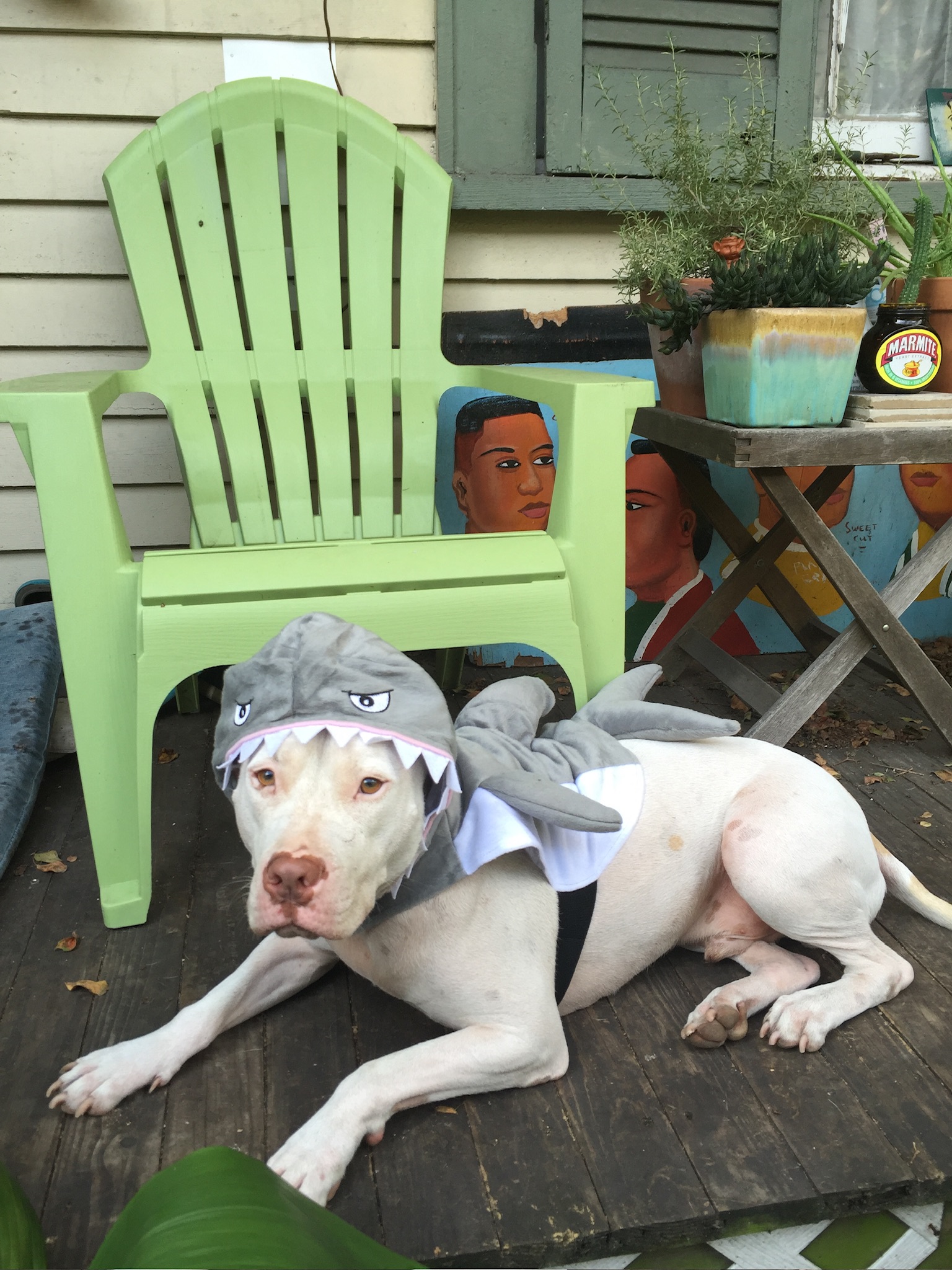
We didn’t know much about Sebastian’s start, but we knew it wasn’t good. He was probably born to a breeder in New Orleans’ dog-fighting scene, then abandoned when the asshole in question figured out that Sebastian was deaf. At about three months old, he was wrapped in a jumble of phone cord, dumped in a gutter in the Lower Ninth Ward, and left to die.
In one reality, Sebastian succumbed to his injuries, never knowing that life could be comfortable, kind, warm. In another, he was picked up by a different breeder and used as a bait dog. And in a third, he was found by someone else who enjoyed his endless capacity for licks.
But in this reality, our reality, Sebastian was found by someone who knew Ken Foster, a man whose life was saved by one of his own canine companions and who had established the Sula Foundation, a nonprofit dedicated to rescuing abandoned dogs. The Foundation quickly took in Sebastian and paid for his lengthy stay at the vet. Good thing it did, too — the dental bills alone would’ve been enough to make most folks blanch.
As Sebastian’s recovery period wound down, we got a call from Ken. He’d already placed another deaf pup with us, so who better for him to call than the Gays Who Can’t Say No (to dogs, at least)?
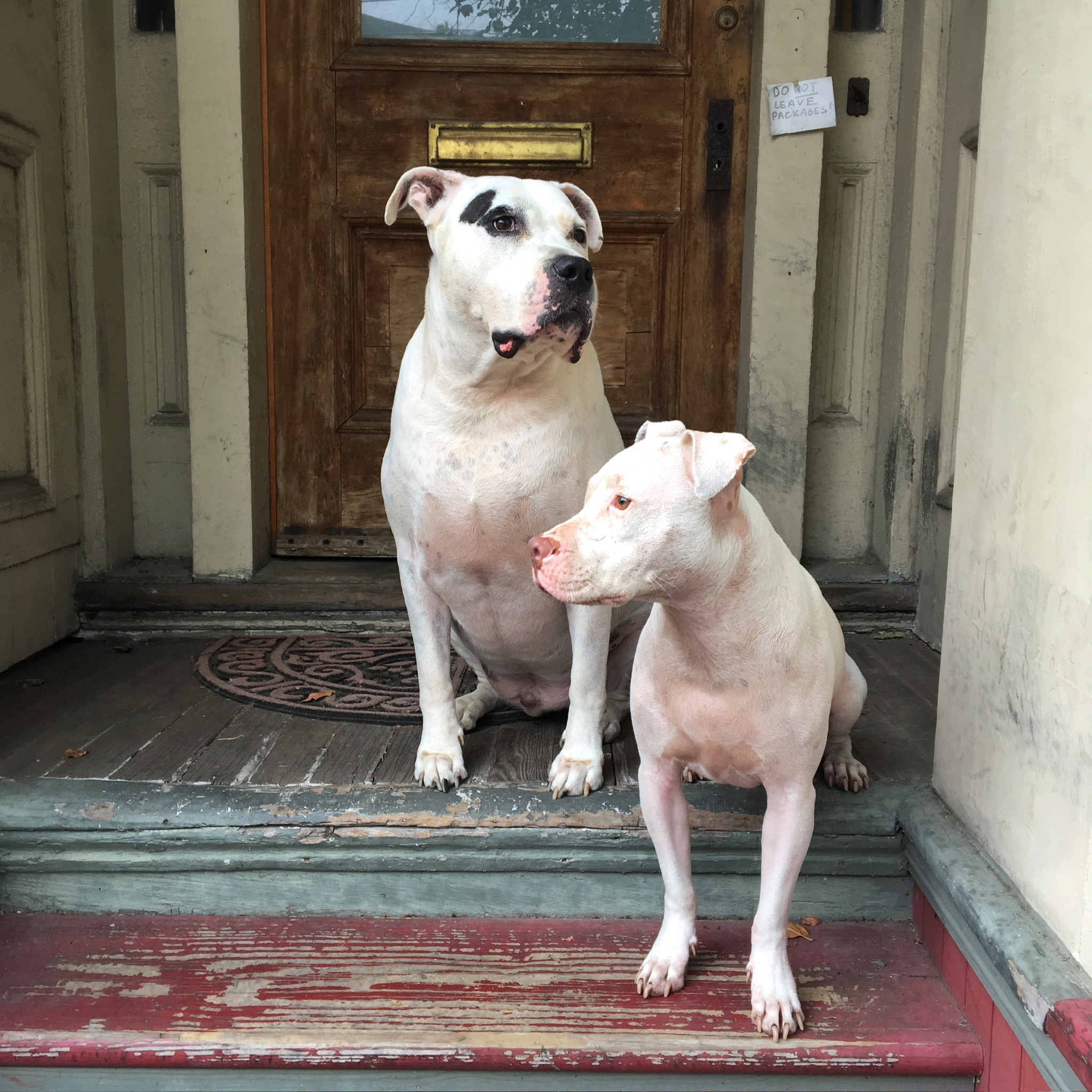
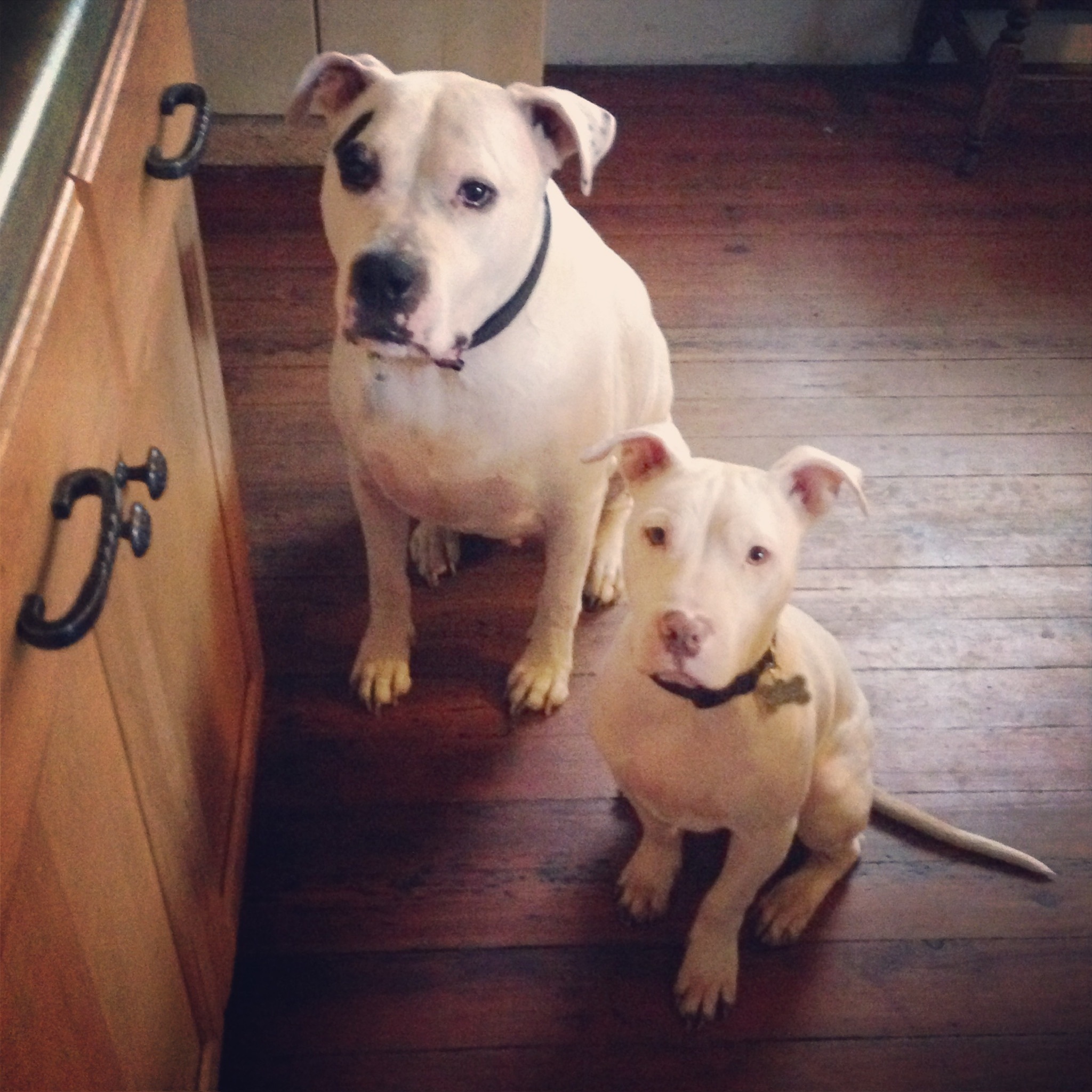
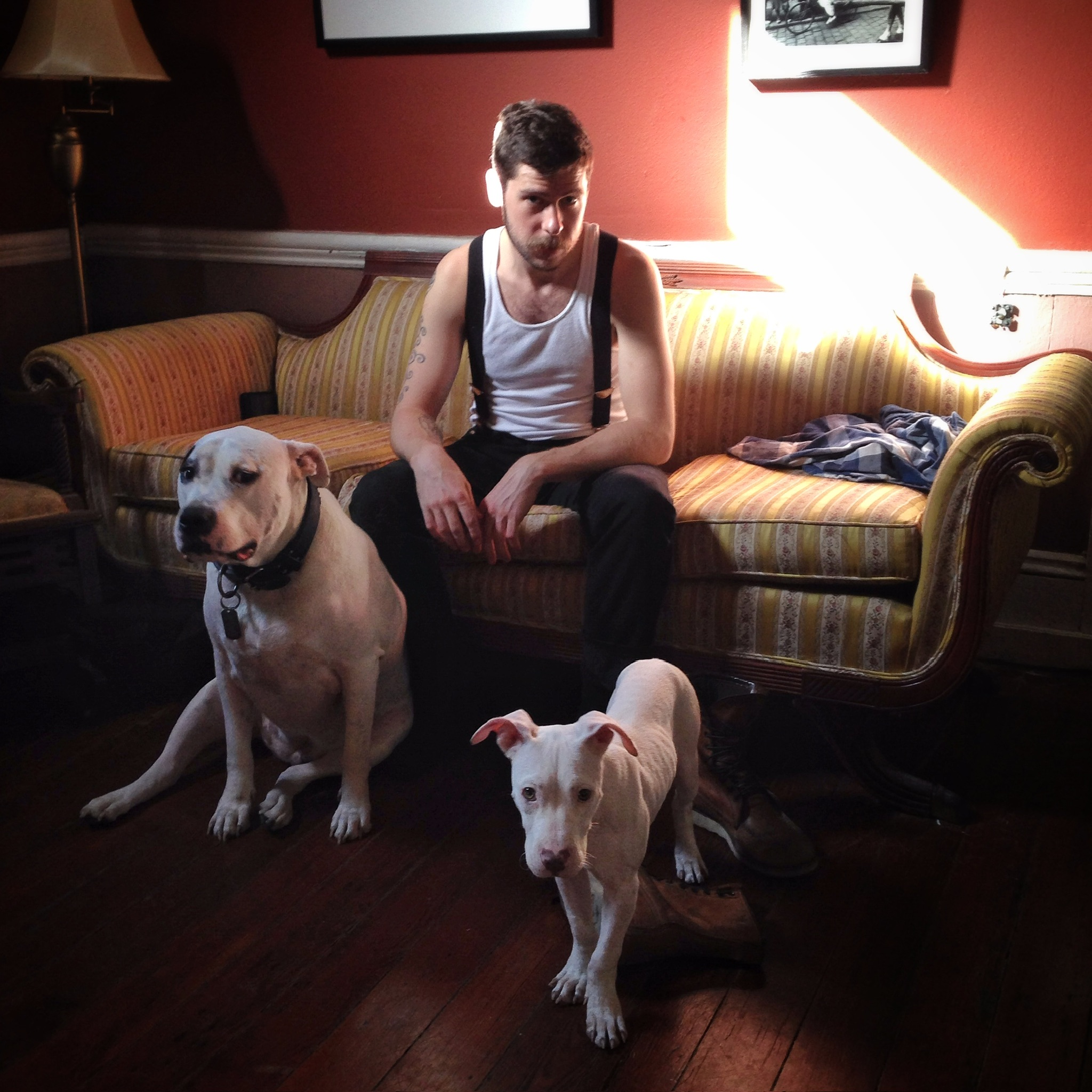
And so, against all odds, a deaf dog who’d been dealt an awful hand at birth wound up with a pack of three other rescued dogs and the three men who loved them.
I won’t recount Sebastian’s many deeds and misdeeds, his peculiar quirks of personality. That would require an encyclopedia’s worth of entries, and my life is only so long. However, there are at least three things that I will always remember about him:
1. Sebastian was indifferent toward dogs. I assume that his early months taught him that other dogs weren’t to be trusted, and he had a hard time shaking that view — even around his adopted siblings.
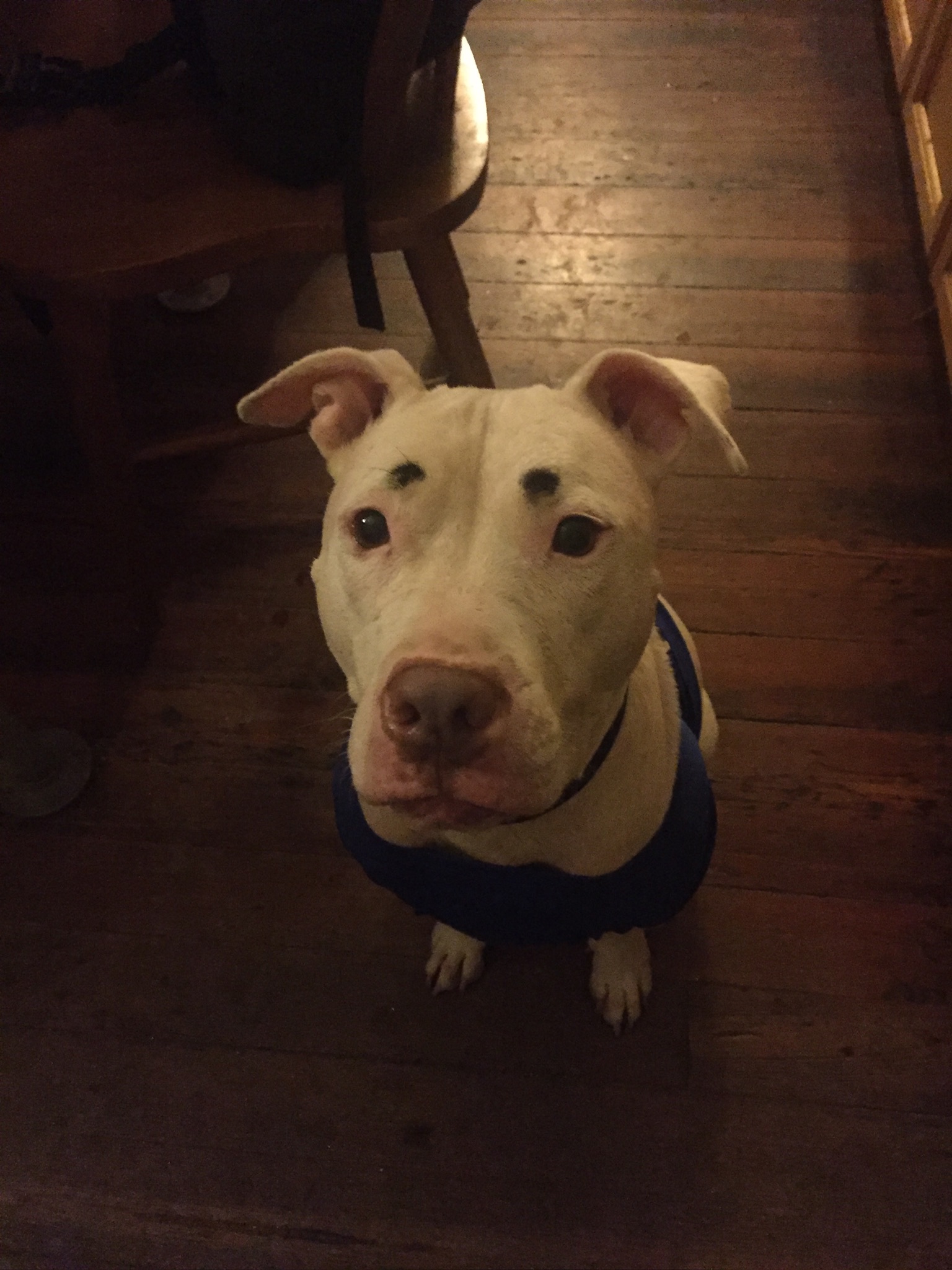
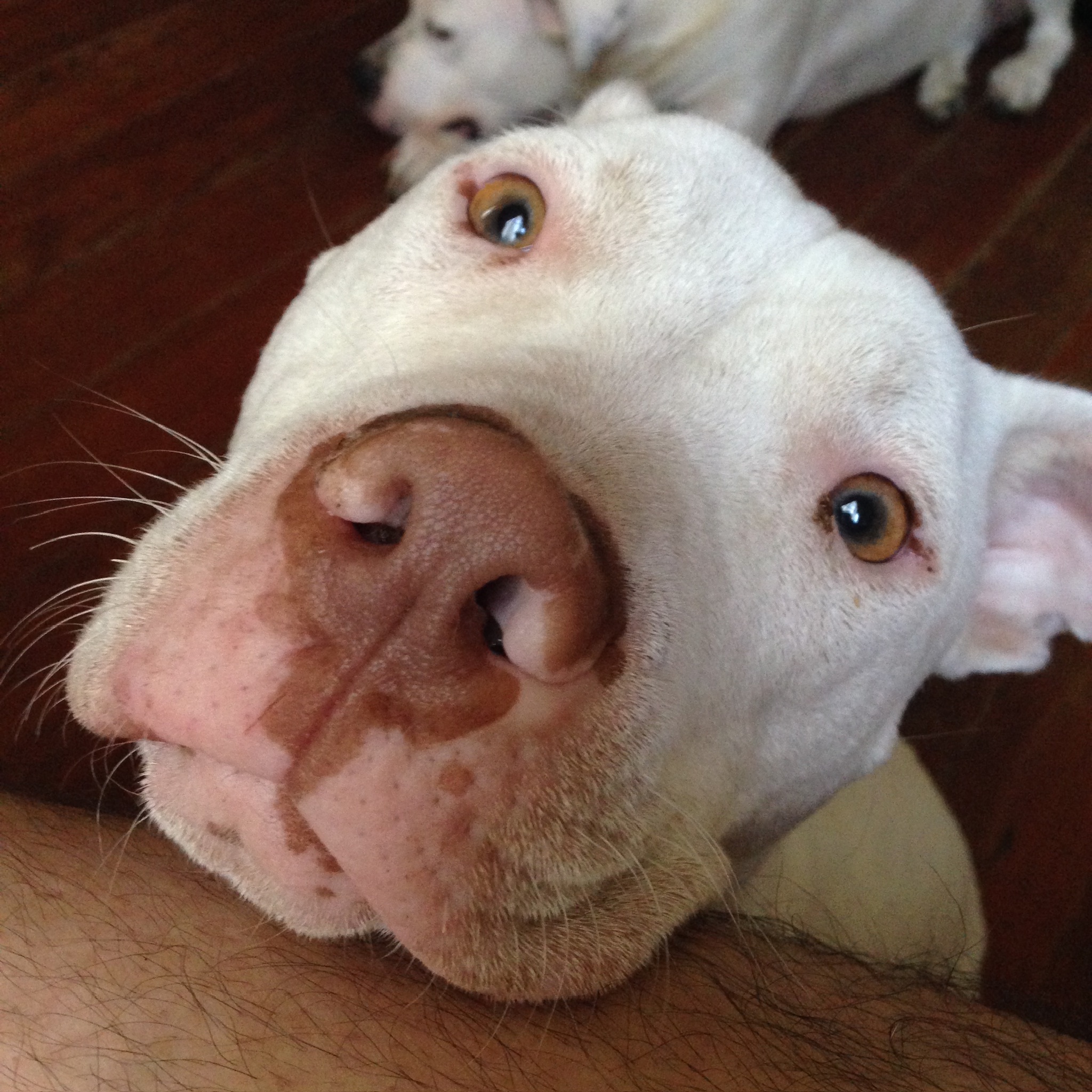
2. Sebastian loved people, although he had absolutely no reason to.
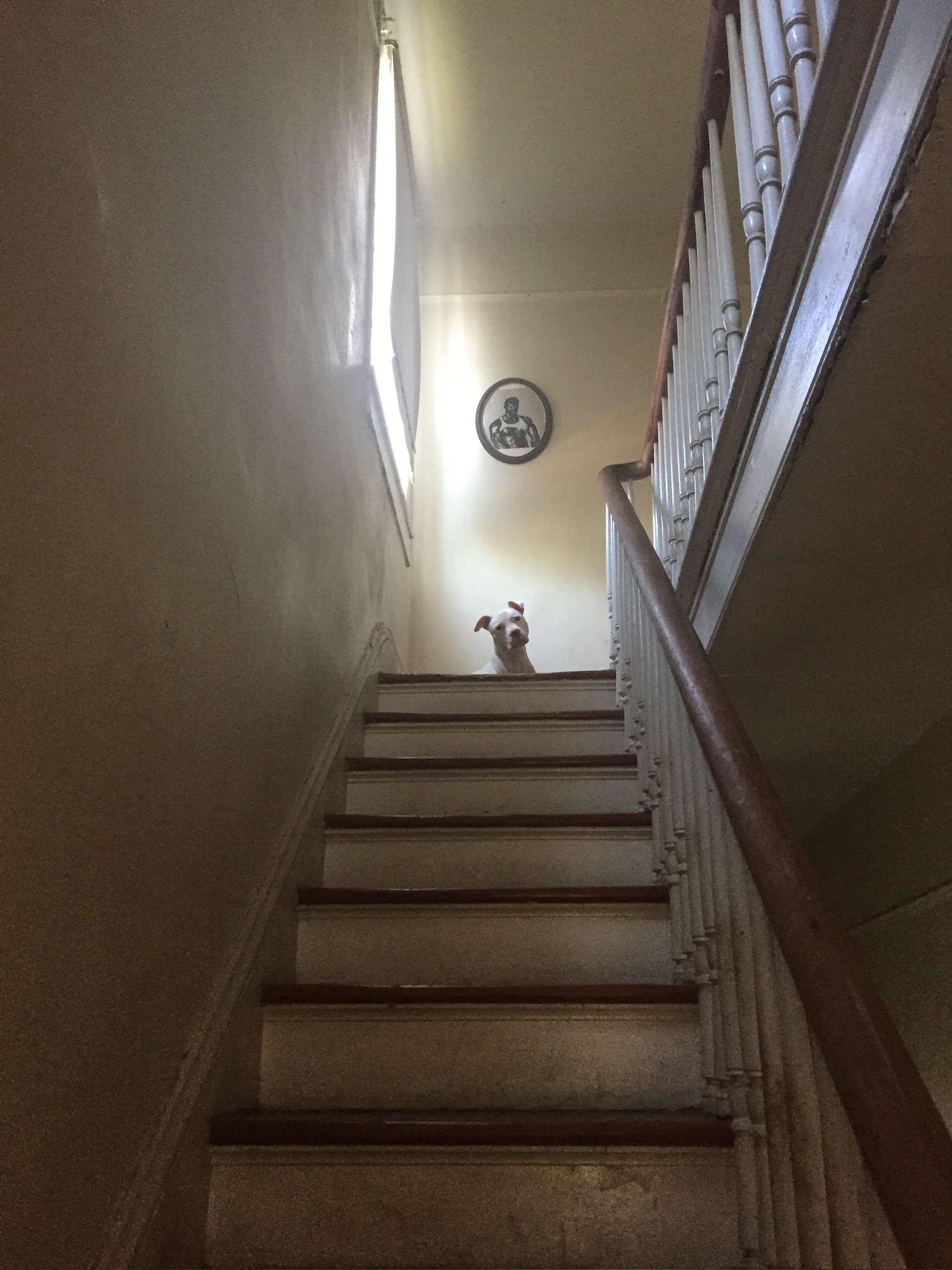
3. Sebastian shuffled. When he walked, he dragged his feet across the floor so you could hear him coming from the other side of the house. Some folks thought that might be due to the length of his nails, but we never cut any of our dogs’ nails — daily walks on concrete tend to keep them filed down. My theory is that dogs learn to move quietly as they get older, but Sebastian obviously couldn’t tell that he was tap-dancing his way through life, so he never acquired the skill. My sole data point to support that theory is that our other deaf dog, Jacques, did exactly the same thing.
In the end, Sebastian’s kidneys betrayed him. I don’t even understand why dogs have kidneys. I mean, all dogs are good dogs, so what could they possibly need to filter out?
The 40-pound ball of muscle lost 10 pounds over the course of the last year. He vomited frequently, couldn’t keep food down, ate grass and puked it back up. Then came diarrhea, more wobbliness. When he hadn’t eaten for three days, when he sat on his bed, looking quietly out at the world, uninterested in much, I knew it was finally time.
The vet asked me if I was sure. There in the “family room” or “comfort room” or whatever somber nickname they used, there among plastic plants and a washable rug, Sebastian was showing off his usual personality, trotting across the room and giving everyone kisses, like nothing was wrong, nothing could possibly be wrong. But he could only keep up the act for so long: as I was explaining to the vet why I was sure, Sebastian vomited in the middle of the carpet, right on cue.
If you’ve ever had to euthanize a companion, you know that it’s a two-part process, each consisting of a shot: the first puts the dog to sleep, and the second stops the dog’s heart. The end of stage one is the worst.
Most dogs I’ve known, Sebastian included, have been alert enough to be curious about the injections. They lick the doctor’s hand as he administers the first, then they pause, suddenly realizing that something is wrong. They’re surprised, alarmed, they go stock-still. Something is wrong. Something is very wrong. What is happening to me and why?
Then, they collapse. And the split-second before that collapse is the last time you’ll glimpse the shining brilliance of them, the brilliance that you have spent their whole lifetime getting to know.
But, oh.
Oh, it gets worse, because you can turn back. There is still time. The doctor, if they’re a good doctor, will explain that the next shot will “take them out” or “put them down” or whatever phrase they employ to avoid saying, “this will kill them”. But all is not lost! You can stop there, you can reverse course, you can let your friend wake up, you don’t have to say goodbye. A joyous reunion awaits!
But you know that that’s a bad choice. You know the right path, the heartbreaking necessity. You’re letting them go because it is time. And so, you push forward. You nod quietly — a nod that says “yes, kill them” and also, “yes, I understand, and I cannot stop it”. Then you wait for your dog, your friend, the love of your life, to die.
Three days after his thirteenth birthday, Sebastian died, and I killed him. I would’ve taken a bullet for that sweet boy, or any of the dogs I’ve lived with — a barrage of bombs, spears, asps, whatever anyone wanted to throw at me.
I would’ve happily absorbed all that for them, so I guess it’s only right that I dealt the death blow.



thank you for sharing your wonderful boy. I grieve with you.
LikeLike