World AIDS Day Reminder: It’s The Stigma, Stupid

Video

AIDS and the virus that causes it have been around for at least a century. But in 1981, the syndrome that was first called GRID, or Gay-Related Immunodeficiency, began affecting large numbers of people in the West — specifically, white, middle-class people. Soon, it was dubbed a “global phenomenon”.

Today, more than 34 years after its first mention in the New York Times, some scientists are still trying to identify the origins of AIDS. I’m sure they have good reasons for doing so, but to me, it seems like a waste of time, energy, and money. In my decidedly non-scientific view, searching for the source of AIDS is little more than an encouragement to point fingers. Communities always want to blame disease on outsiders; once we can definitively say where AIDS and HIV “come from”, we can say, “It’s not our fault, it’s theirs”. In the process, we remove ourselves from the obligation of doing anything about it.

The actual science of AIDS is far more important, and it’s something we know much more about. With every passing month, we uncover new details about how HIV works, how it evolves in the human body, how it’s transmitted from cell to cell. We also learn its weaknesses.

Over time, such discoveries have made HIV a chronic, manageable disease. If you’re HIV-positive and take your meds, you can live as long as your HIV-negative peers. (Granted, access to those meds isn’t always easy, but it’s getting easier.) Once your viral load is suppressed, it’s also nearly impossible for you to pass the virus to others.

What’s not manageable, what hasn’t evolved over the past three decades, has been the stigma surrounding HIV. As you can see in the video above, HIV-positive people are still called sluts, still told that they “deserved” to contract HIV, that they’re vile, diseased, unlovable.

That’s not just mean-spirited. It directly contributes to the spread of HIV. Stigma scares people from getting tested, and it prevents sexual partners from speaking honestly with one another about HIV status.

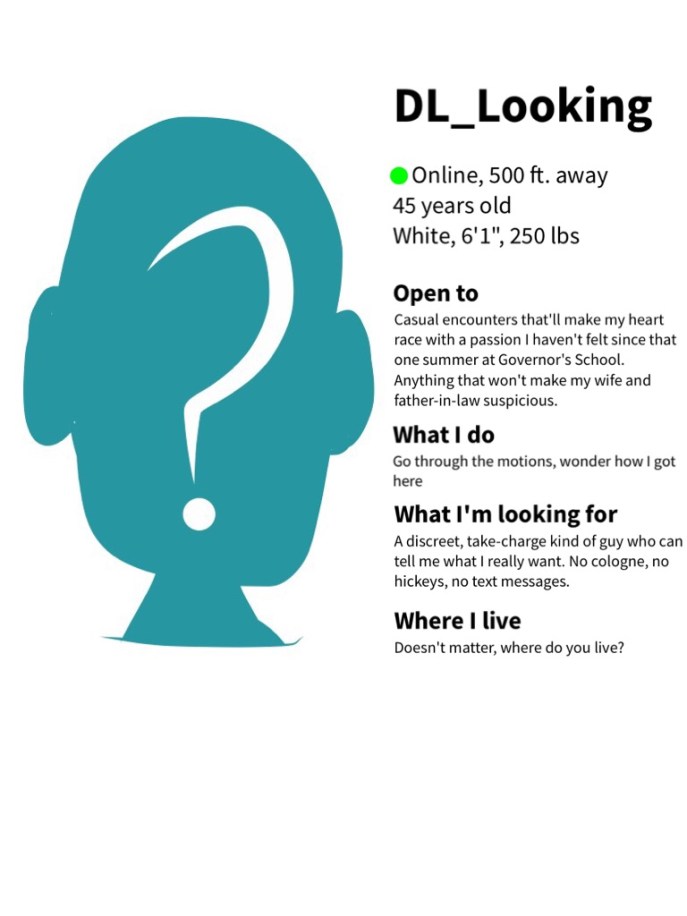
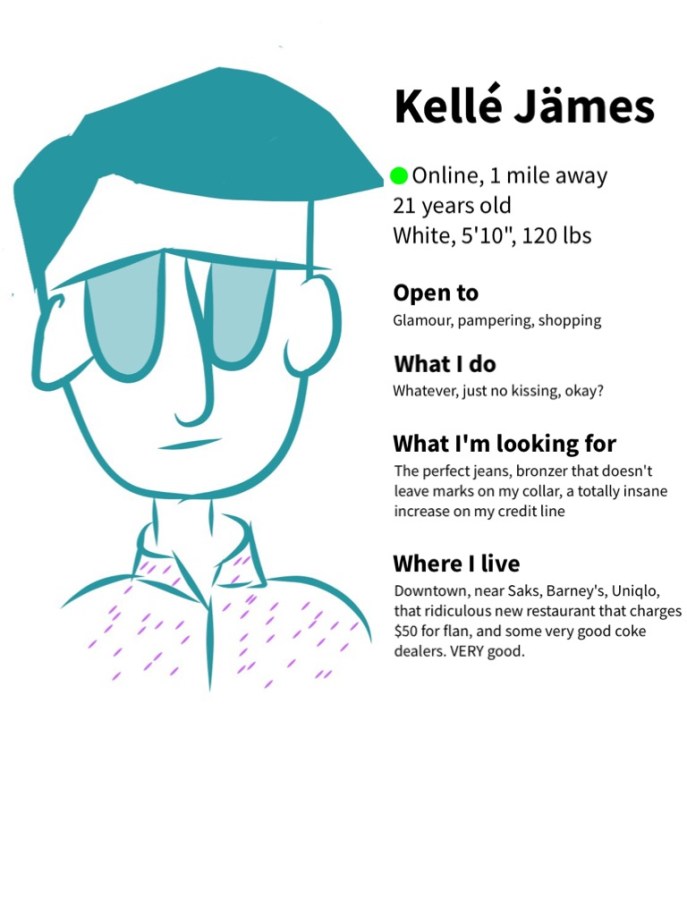
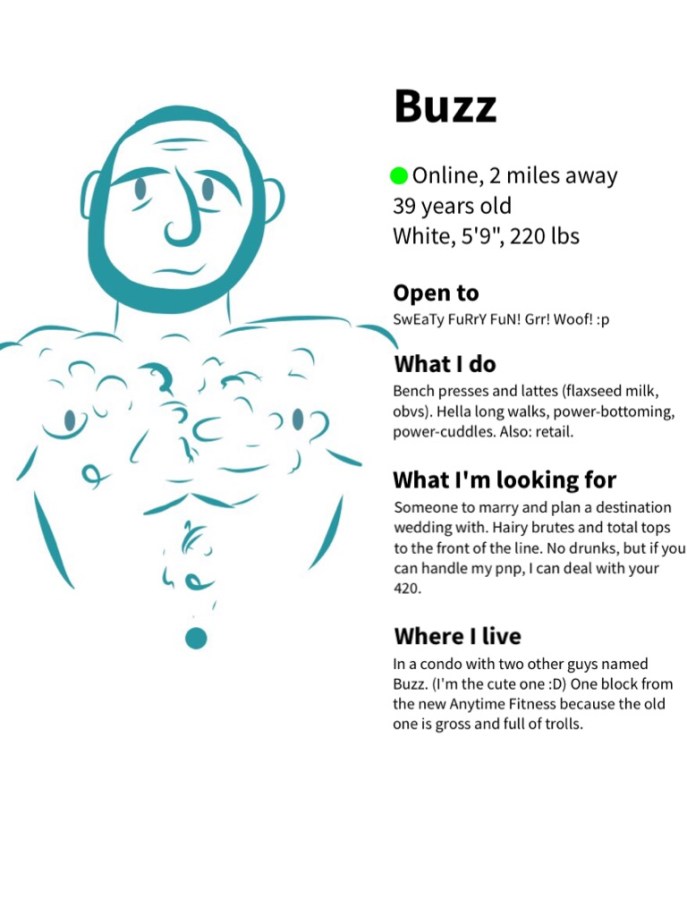
So, next time you’re skimming through Grindr or Scruff or Growlr, take a good, long look at some of the profiles there. Guys who describe themselves as some variation of “clean” are probably dicks (and not just because they are what they eat). Guys who say that they’re on PrEP or poz or undetectable are a far better bet. At least they’re willing to talk, and I don’t know about you, but nothing turns me on quite like chatter.

Sebastian, The Deaf Pit Bull: Two Years Later

Standard
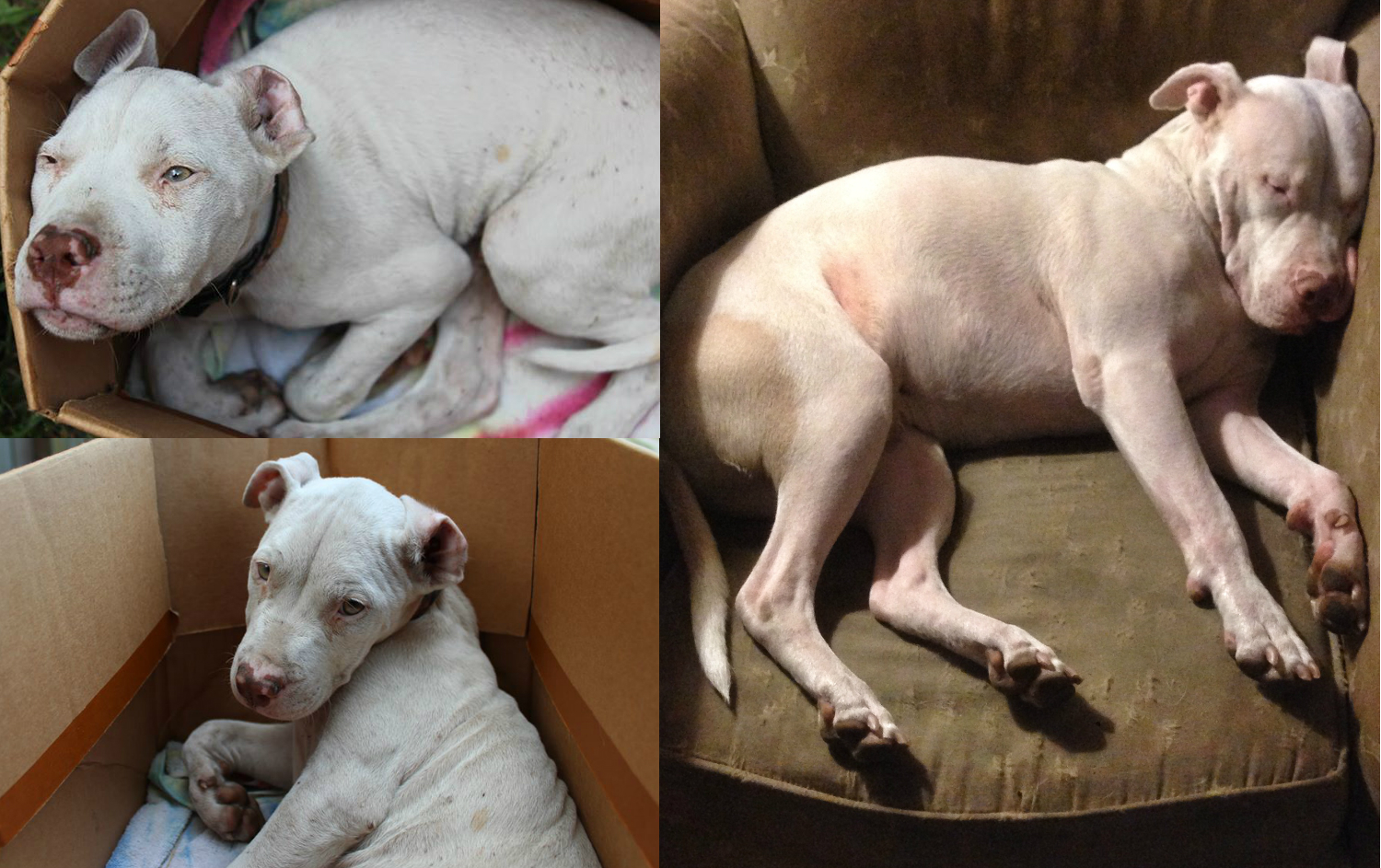
Sebastian, then and now

Sebastian, then and now

We’ll never know the real story of Sebastian’s first few months. All we know for certain is that he was found on the side of a road in New Orleans’ Lower Ninth Ward, unconscious, dehydrated, and debilitated by disease.

Under normal circumstances, we might guess that he escaped from someone’s back yard. But Sebastian is deaf, and that opens up the far crueler likelihood that he was abandoned.

* * * * *

Pit bulls are popular dogs in New Orleans. Breeders often use the pit bull’s unwarranted reputation for aggression to sell them for fighting and protection. It’s a reasonable guess that Sebastian was born to a breeder, and if all had gone according to plan, he might’ve spent much of his life in a cage — or worse.

When the breeder learned that Sebastian was deaf, though, the pup’s path changed. Who’s going to buy a deaf pit bull to guard her house? Who’s going to buy a deaf pit bull to fight in a ring, unable to hear his master’s commands?

And that, I think, is how Sebastian wound up on the streets. Like many handicapped animals — including humans throughout the ages — Sebastian, was rejected and left to die.

* * * * *

That’s all conjecture, though. All we know for certain is that Sebastian wasn’t willing to go down without a fight. We also know that the person who found him had heard of Ken Foster. Through his Sula Foundation, Ken treated Sebastian’s various ills, made him whole again, and then Ken began looking for folks who could provide a good home for the young pup.

Continue reading

Farewell, Cheryl. Sorry I’m Such A Dick.

Standard

When I moved to New Orleans several lifetimes ago, Cheryl became my boss and one of my closest friends. I didn’t think anything of it.

Looking back, maybe I should’ve.

I’d come from Mississippi, where there was (and still is) plenty of homophobia to go around. I knew that New Orleans had (and still has) plenty of bigots, but compared to my former home, it felt like a completely different universe. In that bizarro-world, it seemed totally normal that a bubbly, blonde, middle-aged straight woman would befriend so many gay men.

But in fact, that was kind of unusual, and as I recently learned, Cheryl took a good bit of flack for it — not just because some of her family and friends were homophobic, but also because, back then, in the early 90s, there was a lot of AIDS-phobia, too. Then, as now, AIDS was considered by many to be a gay man’s disease, so hanging out with gay men was something that “normal” people weren’t encouraged to do.

Continue reading